Anti-dust and dust-resistant support for interior paint
Anti-Dust Paint Additive for Cleaner Walls and Work Spaces
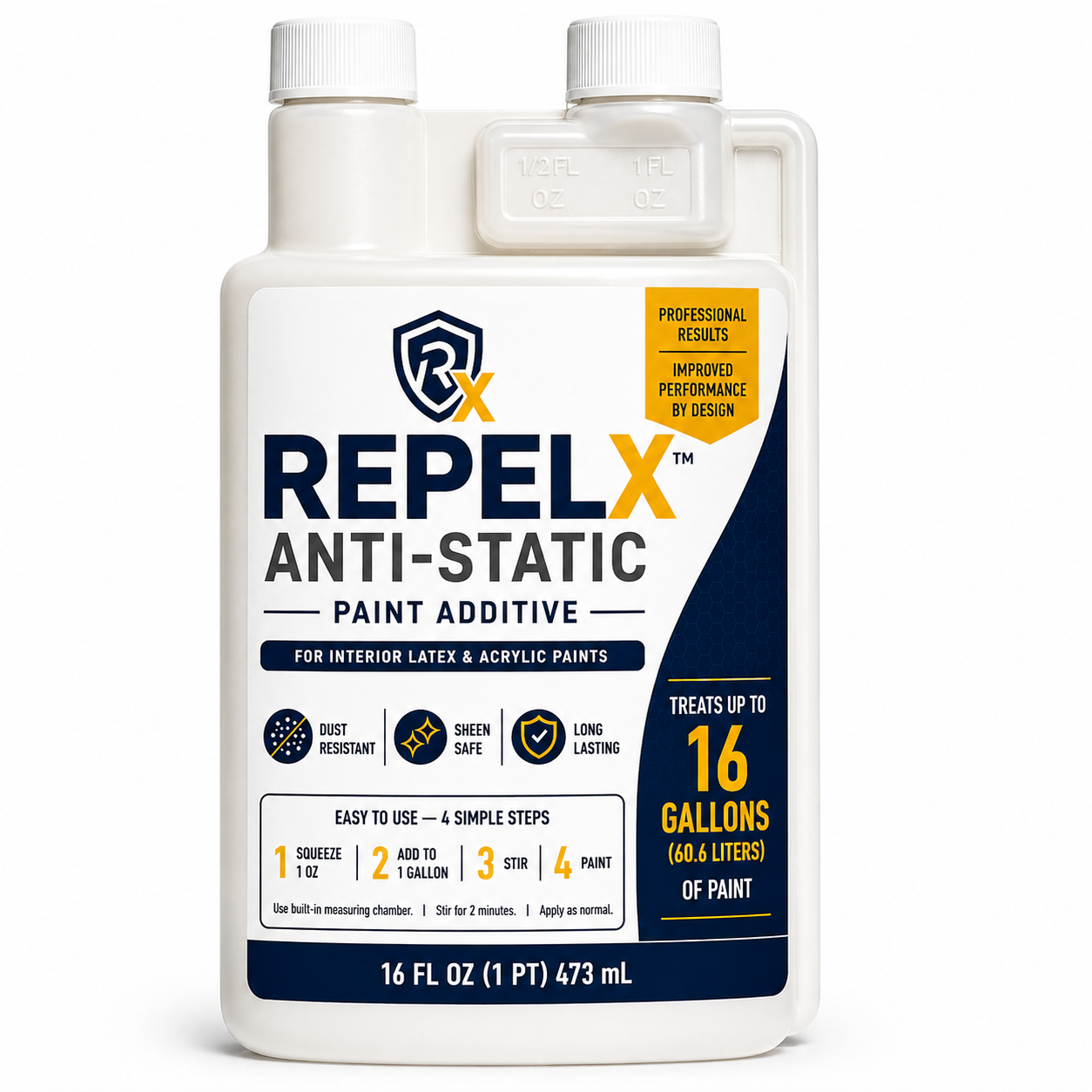
RepelX is mixed into interior latex or acrylic paint before applying it to walls, trim, doors, or the surface you are painting. It helps reduce the static that makes dust, lint, and light debris cling to painted surfaces.
Use it when you are repainting spaces that get dusty fast, from garage walls and baseboards to shop walls and production areas.
Keep painted surfaces looking cleaner between wipe-downs.
Some spaces look dusty almost right after they are cleaned. RepelX helps painted walls and trim pick up less dust, so maintenance teams are not fighting the same surface every week.
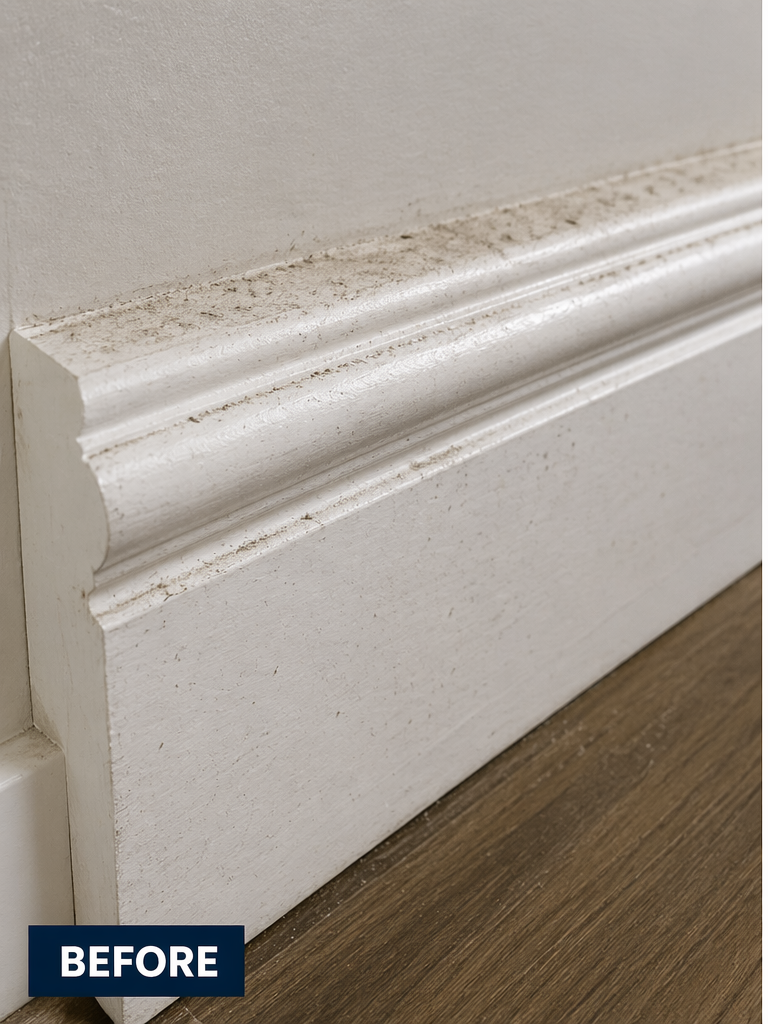
Standard interior paint
Regular paint can pick up static, especially in dry rooms or high-traffic areas. That static can pull dust, lint, and light debris onto walls, trim, and doors.
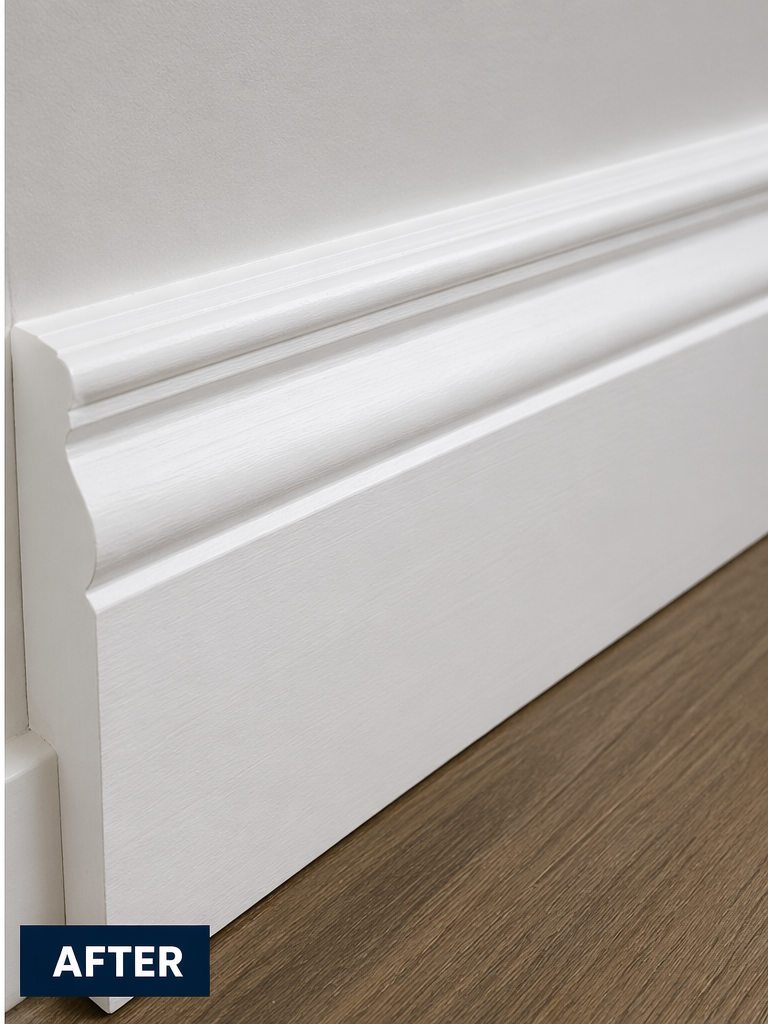
Paint treated with RepelX™
RepelX is stirred into the paint before the job starts. Once the paint dries, the surface is less likely to grab dust from static.
Results shown are representative examples. Actual performance may vary depending on paint formulation, surface type, environmental factors, and application method. Always test on a small area before full application.
Built for repaint jobs in facilities, warehouses, rental turns, contractor projects, garages, and production areas.
Use it like a normal paint additive.
Pour it into the paint, stir it well, then brush, roll, or spray like normal. No new painting process for the crew.
Measure dose
Use 1 fl oz of RepelX per gallon of compatible interior latex or acrylic paint.
Add to paint
Pour it into the paint, stir well, then paint normally. For production environments, test side-by-side areas first.
Mix thoroughly
Stir until fully blended so the additive is distributed through the coating.
Apply normally
Brush, roll, or spray according to the paint manufacturer's instructions.
For crews that repaint more than one room at a time.
Made for repaint jobs where dust keeps showing up on walls, trim, doors, garages, warehouses, and shop areas.
Multi-room repaints, buildouts, punch-list work, service areas, and common areas.
Apartments, hotels, campuses, offices, warehouses, managed portfolios.
Work rooms, plant offices, maintenance areas, storage rooms, and dusty work areas.
Why dust hangs on.
Dust does not only settle. In dry or busy rooms, static can make fine particles cling to painted walls, doors, trim, storage areas, and work areas.
The problem: static
Painted surfaces can build a small static charge from dry air, airflow, cleaning, and everyday contact. That charge can help dust, shop dust, lint, and light debris cling to walls, trim, doors, and baseboards.
What RepelX changes
RepelX adds anti-static help to compatible interior paint. Once the paint dries, the surface is less likely to hold the charge that makes dust cling.
Cleaning removes the dust you can see. It does not change the surface, so buildup can come back fast in shops, warehouses, and busy rooms.
Good housekeeping, not prevention
These can help for a quick wipe, but the effect wears off. They are not realistic for full walls, trim packages, warehouses, or production rooms.
Temporary and hard to scale
RepelX is stirred into the paint, so the anti-static help is part of the painted surface. Nothing has to be wiped on later.
Built into the paint film
Simple enough for the jobsite. Useful enough for bigger repaint work.
The product is simple: add it to compatible interior paint, mix well, and paint normally. After the paint dries, treated surfaces are less likely to grab dust from static.
8, 16, and 32 oz bottles
Available for samples, small tests, contractor jobs, and larger orders. One fluid ounce treats one gallon of compatible interior paint.
Designed for familiar paint workflows
Use it with compatible interior latex and acrylic paints. Test your exact paint, color, sheen, and surface before a larger job.
For dusty work areas
Helps finished painted surfaces hold less dust from static. You still need normal cleaning, filtration, and dust collection where they apply.
Where people test RepelX first
RepelX is worth testing anywhere painted surfaces look dusty too soon after cleaning.
Walls, trim, doors, and baseboards that collect dust too fast.
Mixed into compatible interior paint before you apply it.
For paint jobs where static makes dust, lint, or light debris cling.
What to do when dust keeps coming back on painted walls.
Painted walls, doors, offices, and work areas that show dust fast.
Painted doors, walls, offices, storage rooms, and work areas.
Garage walls, mudrooms, utility rooms, and storage areas.
Interior repaints, turnover work, touch-ups, and service areas.
Samples, test areas, and larger orders.
The easiest way to start is a small side-by-side test. Tell us how many gallons of paint you need to treat and what kind of space you are repainting.
We currently work directly with commercial customers, contractors, facilities, and distributors.
For dusty shops, warehouses, or production areas, start with the standard dose and test the exact paint in a small area first.